Surgical Orthodontics
(Jaw Surgery) in Brooklyn
When a bite problem starts with the jaw itself, braces alone may not be enough. Surgical orthodontics combines orthodontic care with corrective jaw surgery to improve how you chew, speak, and sometimes even breathe, while creating a balanced, natural-looking smile. Dr. Costalos works hand in hand with trusted oral surgeons and walks you through every step, so you always feel informed and supported.
What Is
Surgical Orthodontics?
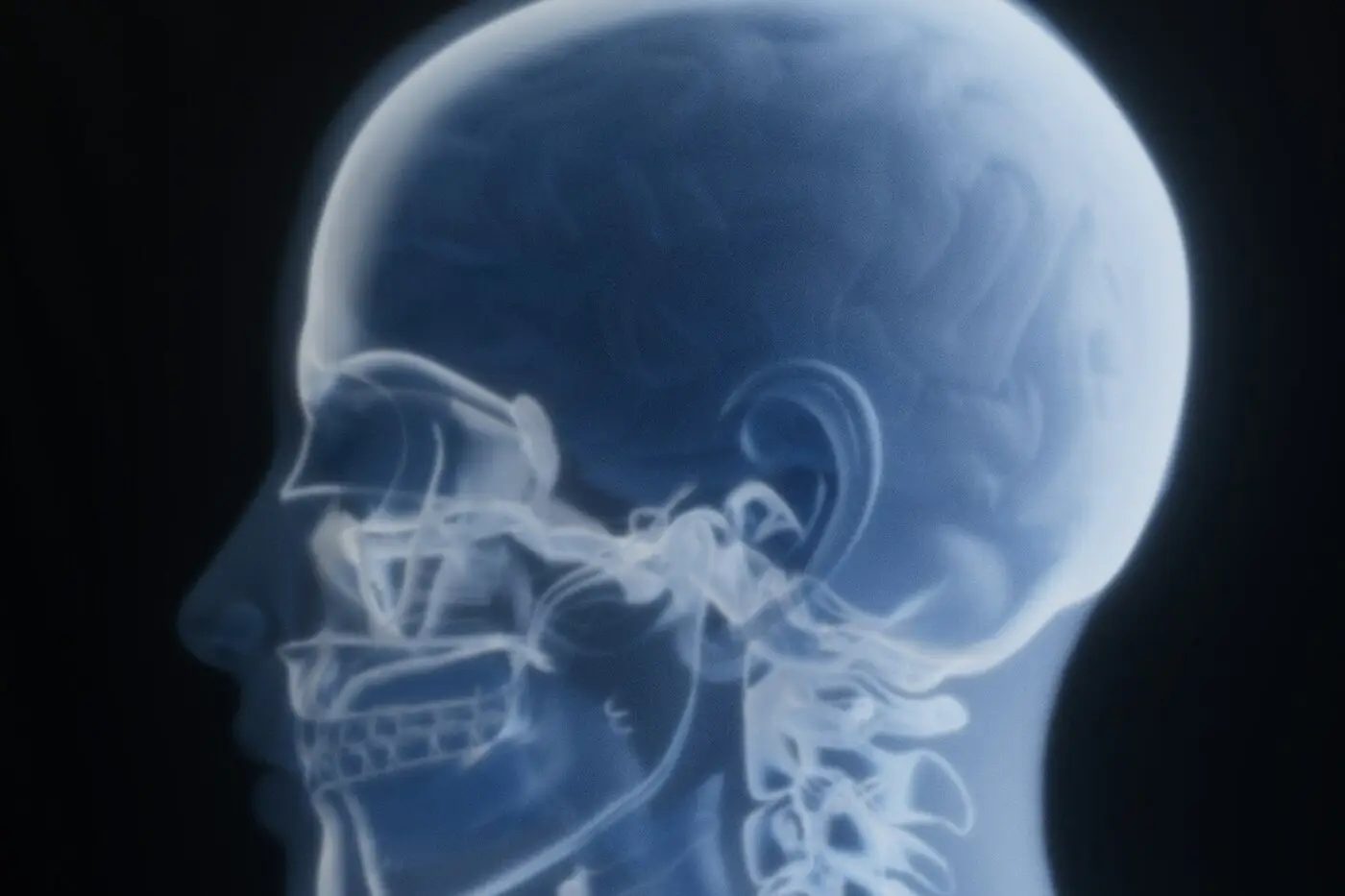
Surgical orthodontics, or orthognathic surgery, corrects abnormalities of the facial bones, specifically the jaws. The result is a beautifully balanced bite, smile, and face. These abnormalities often cause difficulty with eating, talking, and other routine activities. Using the latest digital imaging technology, we’ll show you the functional and aesthetic benefits of surgical orthodontic treatment.
Surgery may be unnecessary if orthodontic treatment alone can correct the problem, and with today’s advances, this is sometimes the case. We’ll determine whether surgical orthodontics is the right option for you.

Who May Need
Surgical Orthodontics?
Surgical orthodontics is usually recommended for adults whose jaws have finished growing, typically by the late teens or early twenties. It may be the right choice when the jaws themselves are out of balance, and braces or aligners alone can’t create a healthy bite. Common reasons include:
- A severe underbite, where the lower jaw sits far forward of the upper jaw.
- A severe overbite, where the upper jaw sits far ahead of the lower jaw.
- An open bite, where the front teeth don’t meet when you bite down.
- Facial asymmetry, where the jaws are noticeably uneven.
- Difficulty chewing, biting, or swallowing because the teeth and jaws don’t fit together properly.
- Jaw-related breathing problems, such as some cases of obstructive sleep apnea, as evaluated with your surgeon and physician.
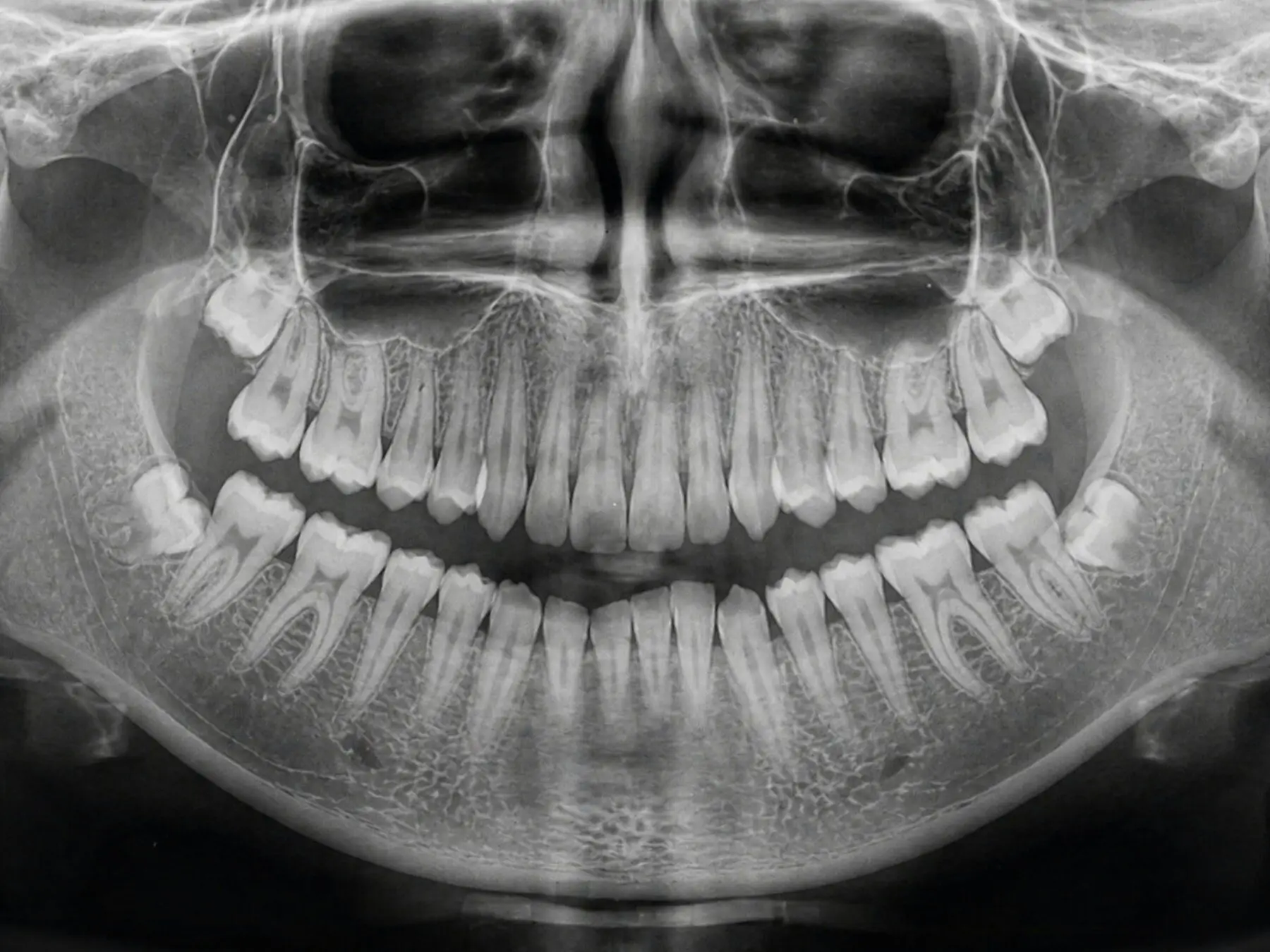
The only way to know for sure is a thorough exam. We’ll take digital images and records, explain what we find, and help you understand every option.
How Surgical Orthodontics Works,
Step by Step
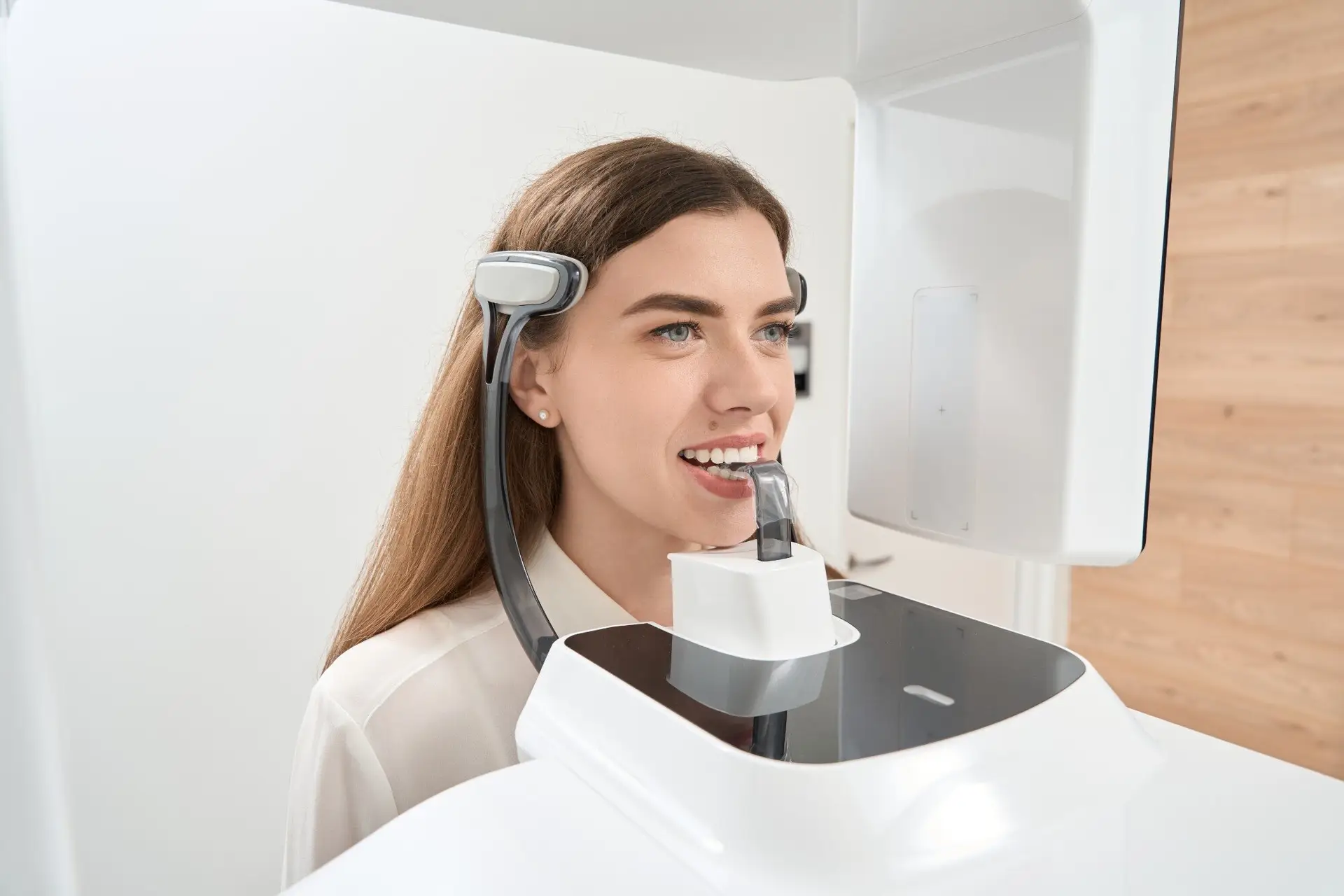
Consultation and planning. Dr. Costalos examines your bite, takes digital images and records, and meets with your oral surgeon to create one coordinated plan. We’ll show you what your results could look like.
Pre-surgical orthodontics. Braces align your teeth so they’ll fit together correctly once your jaws are repositioned. This phase typically takes 12 to 18 months.
Jaw surgery. An oral and maxillofacial surgeon repositions your upper jaw, lower jaw, or both. Surgery is performed in a hospital or surgical center under general anesthesia.
Healing. Your surgeon guides your early recovery, including a soft diet and follow-up visits.
Post-surgical orthodontics. Once you’ve healed, we fine-tune your bite with braces, typically over about 6 months.
Retainers. Retainers keep your teeth and new bite stable for the long term.
In total, most patients complete treatment in about 18 to 24 months.
A Coordinated Care Team
Jaw surgery works best when your orthodontist and surgeon plan as one team. Dr. Costalos works closely with trusted, experienced oral and maxillofacial surgeons, and every case is planned jointly, from the first records to the final bite. You’ll always know who’s responsible for each step, and you’ll have our team by your side to answer questions along the way.
Insurance and Jaw Surgery
When jaw surgery is medically necessary, it’s often partly covered by medical insurance, while the orthodontic portion may fall under your dental plan’s orthodontic benefits. Coverage varies by plan, so our team will help you understand your benefits and provide the records and documentation your insurer may request.
Jaw Surgery Questions,
Answered
Is jaw surgery painful?
Surgery is performed under general anesthesia, so you won’t feel anything during the procedure. Afterward, swelling and discomfort are normal and are managed with medication prescribed by your surgeon. Most patients find the discomfort improves steadily over the first week or two.
How long is recovery?
Many patients return to work or school in about two to three weeks. The jaw’s initial healing takes about six weeks, during which you’ll follow a soft diet. Full healing continues over several months, and your surgeon will guide you through every stage.
Will my face look different?
Your face may look more balanced, and many patients love the change. You’ll still look like you. Before treatment, we use digital imaging to help you preview the results, so you’ll know what to expect.
Is there an alternative to surgery?
Sometimes. Milder jaw imbalances can occasionally be improved with braces or aligners alone, known as camouflage treatment, though the results may be more limited. In growing children, early treatment can sometimes guide jaw growth and reduce the need for surgery later. We’ll walk you through every option honestly.
Will my jaws be wired shut?
Rarely. Today, surgeons usually secure the jaws with small plates and screws, so wiring the jaws shut is uncommon. You may wear small elastics for a short time while you heal.
Will I need braces before surgery?
Yes, in most cases. Pre-surgical orthodontics lines up your teeth so they fit together correctly once your jaws are in their new positions.
Is numbness normal after surgery?
Temporary numbness in the lips or chin is common and usually improves over weeks to months. Your surgeon will discuss this and other possible risks with you before surgery.
How long does the whole process take?
Most patients complete treatment in about 18 to 24 months, including braces before and after surgery.
Have More Questions?
Explore Related Treatments


Healthy teeth can be moved at any age. It’s never too late.

Wondering Whether Surgical Orthodontics Could Help You?
Book a consultation with Dr. Costalos for a thorough evaluation and clear, honest answers about every option.