
Braces
in Bay Ridge, Brooklyn
Braces remain one of the most reliable ways to create a straight, healthy smile. Today’s metal and clear braces are smaller and more comfortable than ever, correcting crowding, gaps, and bite problems for patients of every age. With Dr. Costalos’s careful planning and our team’s friendly support, you’ll know exactly what to expect from your first appointment to the day your braces come off.
Why a Healthy Bite Matters
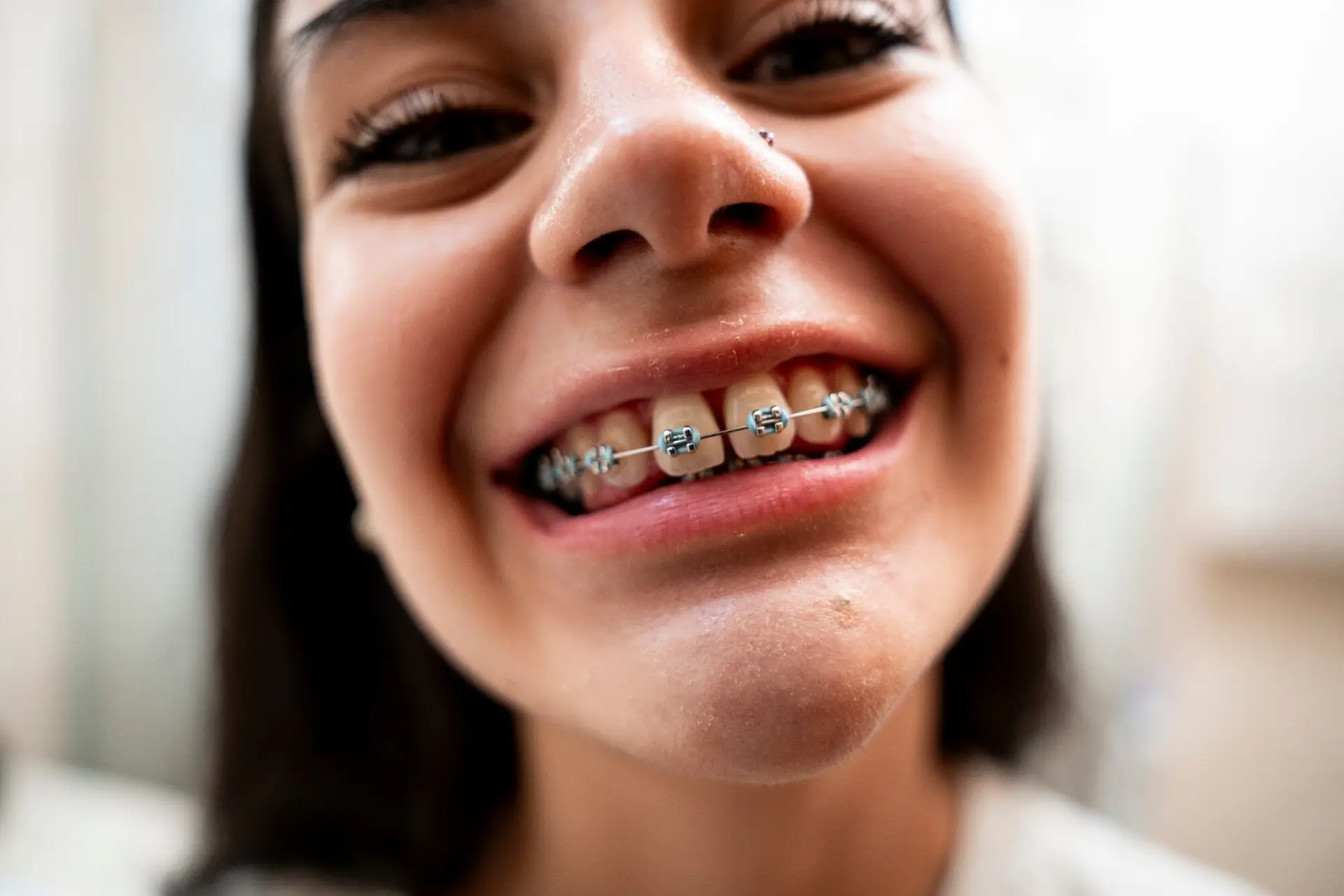
Braces do more than improve your smile. They correct bad bites, or malocclusions. Malocclusions affect the way you smile, chew, clean your teeth, and feel about your smile. They occur when teeth or jaws are misaligned. According to the American Association of Orthodontists, untreated malocclusions can lead to a variety of problems. Crowded teeth are harder to brush and floss, which may contribute to decay and gum disease. Protruding teeth are more likely to chip. Crossbites can cause unfavorable growth and uneven tooth wear. Open bites can lead to tongue-thrusting habits and speech difficulties. Treating children who are still growing may achieve results that aren’t possible once the face and jaws have finished growing.
Ultimately, braces do more than make a pretty smile. They create a healthier you.

Common Bite Problems We Treat
Every smile is different, but most bite problems fall into a few familiar groups. Here’s what each one means, why it matters for your health, and which treatments can help.
Crowding
Crowding happens when there isn’t enough room in the jaw for all of your teeth, so they overlap, twist, or get pushed out of line. Crowded teeth are harder to brush and floss, which can contribute to decay and gum disease. Braces or clear aligners create space and guide each tooth into place, and in growing children an expander can make room early.
Treatments that help: Braces, Clear aligners, Early treatment
Spacing and Gaps
Gaps can come from missing or undersized teeth, habits like tongue thrusting, or a jaw that’s larger than the teeth. Besides affecting your smile, spaces can trap food and leave gums less protected. Braces and aligners close gaps gently, and we coordinate with your dentist when a missing tooth needs to be replaced.
Treatments that help: Braces, Clear aligners, Adult orthodontics
Overbite
When people say “overbite,” they usually mean upper front teeth that sit too far ahead of the lower teeth. It can make biting into food awkward, cause uneven wear, and leave the front teeth more exposed to injury. Braces or aligners, often with small rubber bands, bring the jaws into better alignment, and growing children may benefit from early treatment that guides jaw growth.
Treatments that help: Braces, Early treatment, Surgical orthodontics
Underbite
An underbite means the lower front teeth sit in front of the upper teeth when you bite. It can make chewing and speaking harder and cause the teeth to wear unevenly. Mild underbites often respond to braces or aligners. In children, early treatment can help guide jaw growth, and severe adult cases may need surgical orthodontics.
Treatments that help: Early treatment, Braces, Surgical orthodontics
Crossbite
A crossbite happens when some upper teeth sit inside the lower teeth instead of outside. It can occur in the front or back of the mouth and may lead to chipped teeth, gum recession, and uneven jaw growth. Expanders are often used in children to widen a narrow upper jaw, and braces or aligners correct the position of individual teeth.
Treatments that help: Early treatment, Braces, Clear aligners
Open Bite
With an open bite, the front teeth don’t touch when the back teeth are together. It’s often linked to habits like thumb sucking or tongue thrusting and can affect speech and make it hard to bite into food. Treatment combines habit correction with braces or aligners, and some adult cases are treated with surgical orthodontics.
Treatments that help: Braces, Early treatment, Surgical orthodontics
Deep Bite
A deep bite means the upper front teeth cover the lower front teeth too much when you close. Over time, the lower teeth can bite into the gums behind the upper teeth, and the front teeth can wear down. Braces and aligners level the bite so your teeth meet comfortably and evenly.
Treatments that help: Braces, Clear aligners
Protruding Teeth
Front teeth that flare forward are more likely to chip or break in a fall or sports injury, and they can make it hard to close the lips comfortably. Braces or aligners bring protruding teeth back into a safer, more natural position, often improving lip comfort and facial balance, too.
Treatments that help: Braces, Clear aligners, Children & teens
Types of Braces We Offer
Metal Braces
All ages, complex cases, most efficient movement
Small, modern stainless-steel brackets made in California with fun colored bands
Clear Braces
Teens and adults who want a subtler look
Ceramic translucent brackets made in Switzerland that blend in
How Braces Work
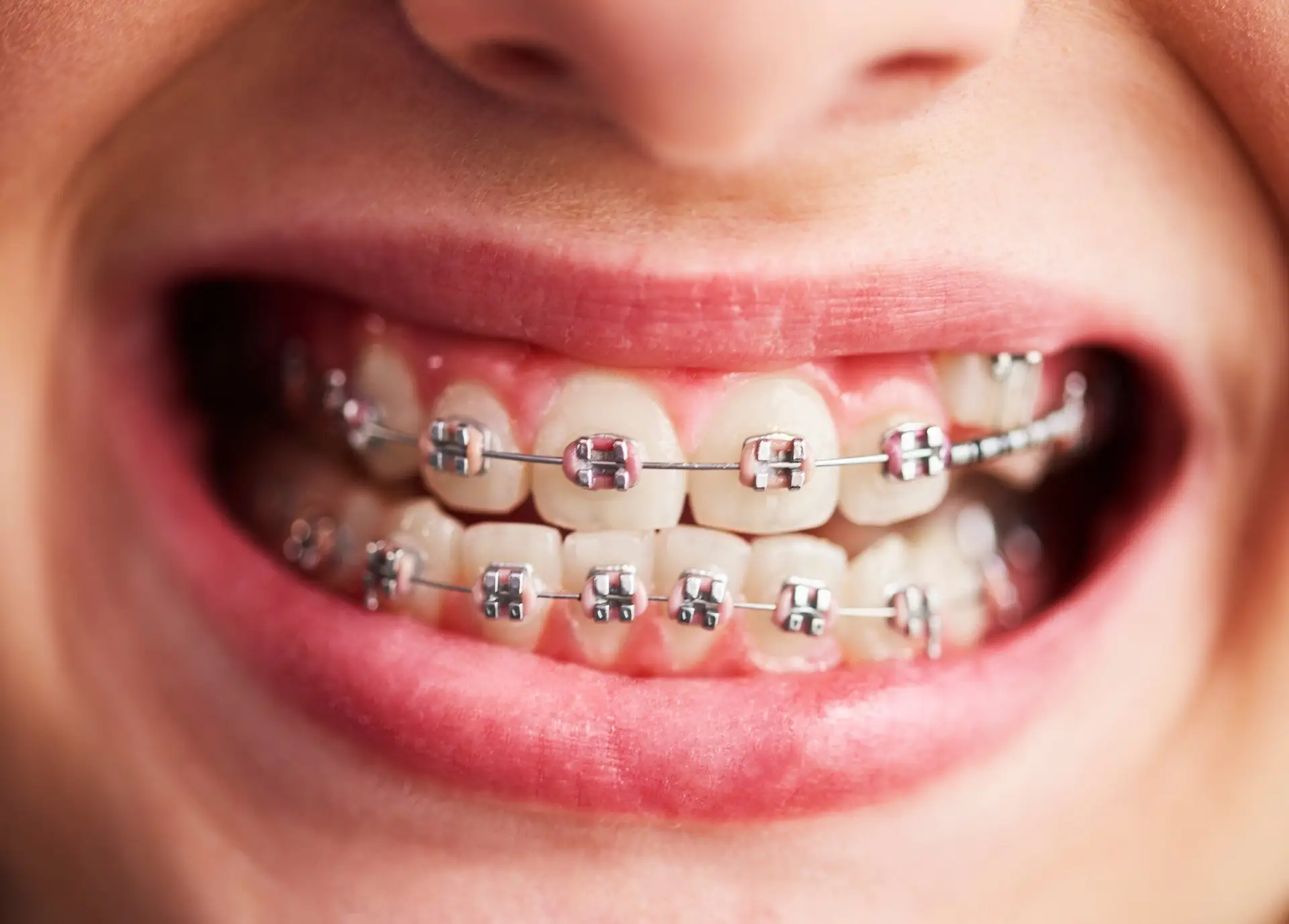
Braces use gentle, steady pressure to move your teeth into healthier positions over time. As teeth move, the bone around them naturally reshapes to support them in their new places. Every movement is planned in advance by Dr. Costalos, so each visit brings you one step closer to your finished smile.
Brackets: Small brackets are bonded to the front of each tooth. They act as handles that hold the wire in place.
Archwire: A thin wire runs through the brackets and applies the gentle pressure that guides your teeth.
Ties: Small elastic ties (in fun colors, if you like) hold the wire in each bracket.
Rubber bands, if needed: Some patients wear small rubber bands between the upper and lower teeth to correct how the jaws fit together.
Every 4 to 6 weeks, we adjust or change the wire to keep your teeth moving according to plan. Most treatment takes about 12 to 24 months. Depending on your case, it can range from as little as 6 months to as long as 30 months, with about 18 months being typical.
Your Braces Journey
Knowing what comes next makes everything easier. Here’s what to expect from your first visit to your brand-new smile.
Consultation
Meet Dr. Costalos and our team, share your goals, and get a complete exam. We’ll tell you whether braces are right for you and answer every question.
Records
We take X-rays, photos, and scans of your teeth so we can plan your treatment precisely. This visit takes about half an hour.
Treatment Review
Dr. Costalos walks you through your custom plan, including your options, timeline, and costs, so there are no surprises.
Braces Placement
Your braces go on in a comfortable visit of about an hour. We’ll show you how to brush, floss, and care for them before you leave.
Adjustment Visits
Every 4 to 6 weeks, you’ll come in for a quick visit so we can adjust your wires and check your progress.
Braces Off
The big day! We remove your braces, polish your teeth, and celebrate your new smile.
Retainers
Retainers keep your teeth in their new positions so your smile lasts for life.
Your Questions About Braces,
Answered
Do braces hurt?
Getting braces put on doesn’t hurt. Your teeth may feel sore for a few days afterward and after adjustments, and your lips and cheeks may need about a week to get used to the brackets. A warm salt-water rinse, soft foods, orthodontic wax, and an over-the-counter pain reliever (following the label directions) can help.
How long will I wear braces?
Most people wear braces for 12 to 24 months, with about 18 months being typical. Your exact timeline depends on your case and on how well you follow instructions, like wearing rubber bands and keeping appointments.
What can I eat with braces?
You can still enjoy most of your favorite foods. Avoid hard, sticky, and chewy foods, like nuts, hard candy, caramel, and gum, which can damage brackets and wires. See Eating with Braces on our Patient Care page for a full list.
Do I still need to see my dentist?
Yes. Keep seeing your family dentist every six months for cleanings and check-ups. Clean teeth during treatment help prevent cavities and white spots, and we’ll coordinate with your dentist if any extra care is needed.
How often will I have appointments?
About every 4 to 6 weeks. Adjustment visits are usually quick, and we’ll schedule them at times that work for you.
Metal or clear braces: which should I choose?
Metal braces use small, modern stainless-steel brackets made in California and are durable and efficient for every kind of case. Clear braces use ceramic translucent brackets made in Switzerland that blend in with your teeth for a more subtle look. Dr. Costalos will help you choose what fits your smile and lifestyle.
Can I pick the colors of my bands?
If you have metal braces with elastic ties, yes. You can choose new colors at each adjustment to match a holiday, your school colors, or your favorite team.
What if a bracket comes loose or a wire pokes?
Don’t worry; this is rarely an emergency. Cover the area with orthodontic wax and call us so we can schedule a quick repair. Our Patient Care page has step-by-step tips.
Can I play sports or an instrument with braces?
Yes. There may be a short adjustment period, and we recommend a mouthguard for contact sports.
Will I need a retainer after braces?
Yes. Retainers keep your teeth from shifting back and protect the results you worked hard for. We’ll show you how and when to wear them.
Have More Questions?
Explore Related Treatments


From a first check-up at age 7 to braces that fit busy teen lives.

Healthy teeth can be moved at any age. It’s never too late.
Ready to Start Braces in Bay Ridge?
Book a consultation with Dr. Costalos and see what your new smile can look like.